Key Takeaways The choice between in house and external labs reshapes your entire food safety risk posture, not just your testi...
Key Takeaways ISO 17025 accredited food microbiology testing for a mid sized food plant typically requires an annual budget in...
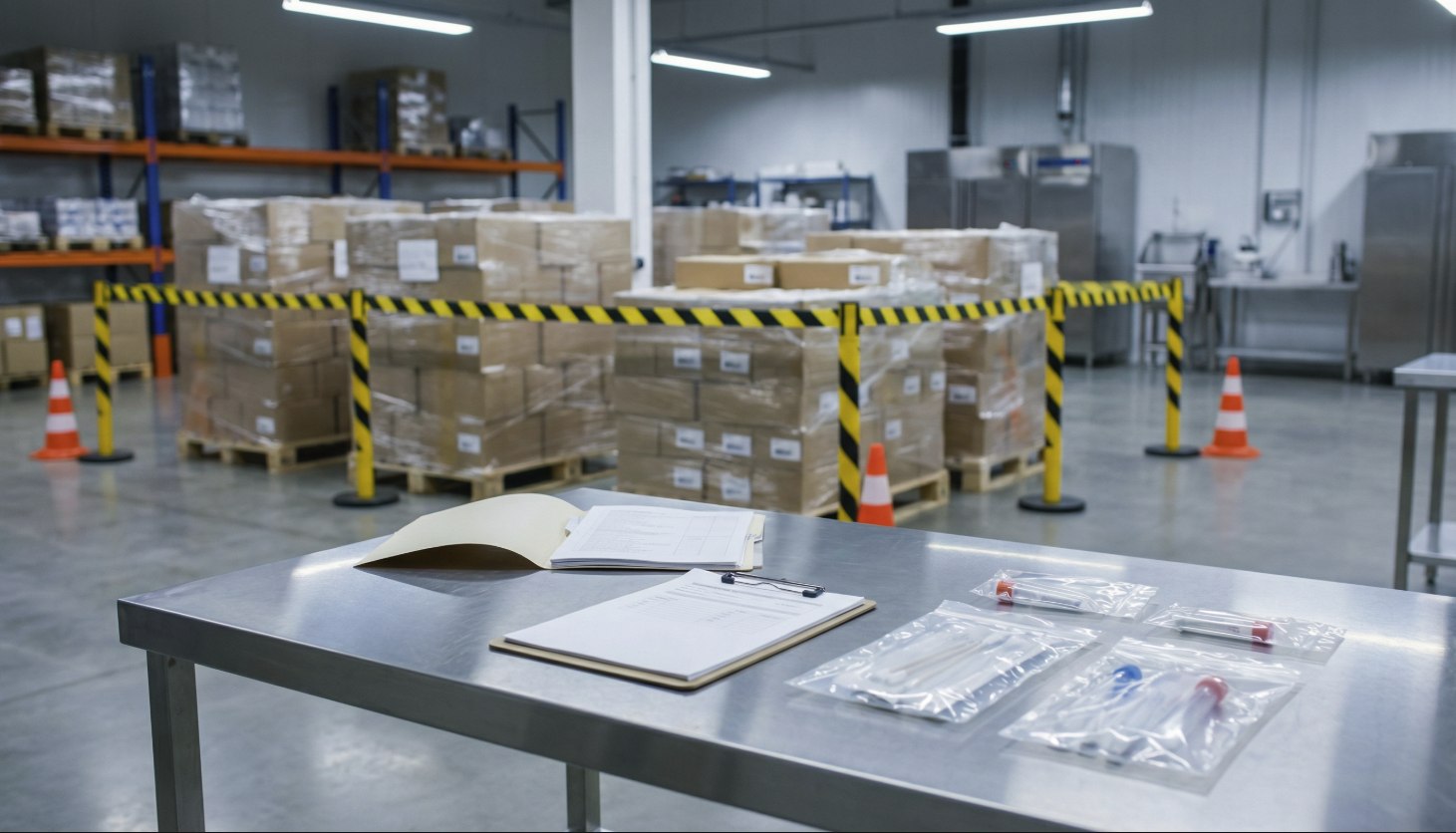
Key Takeaways Isolate all potentially affected product within the first hour and preserve packaging, lot codes, and food sampl...
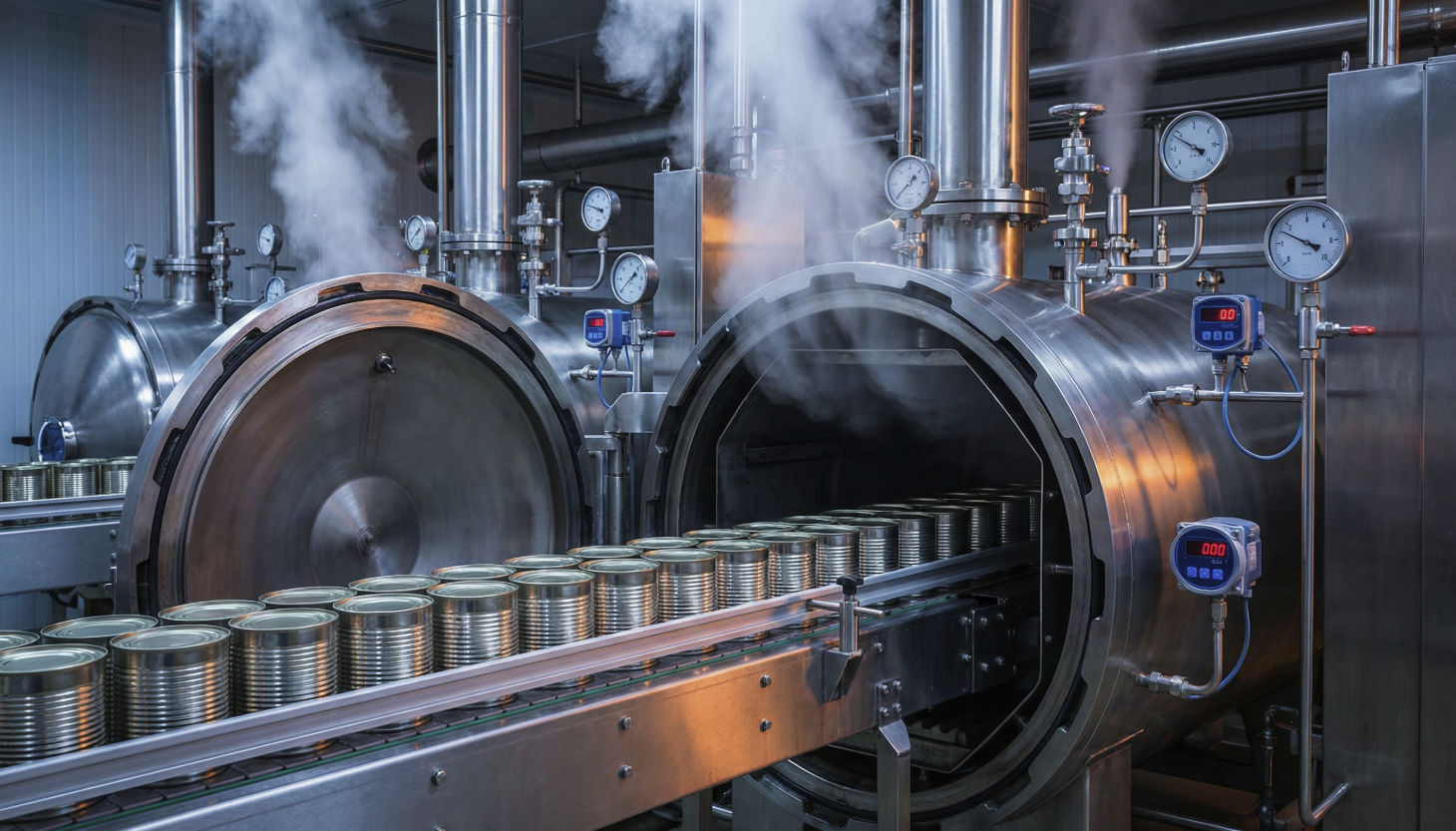
Key Takeaways Commercial sterility depends on both validated thermal processing and verified hermetic seal integrity, not one...
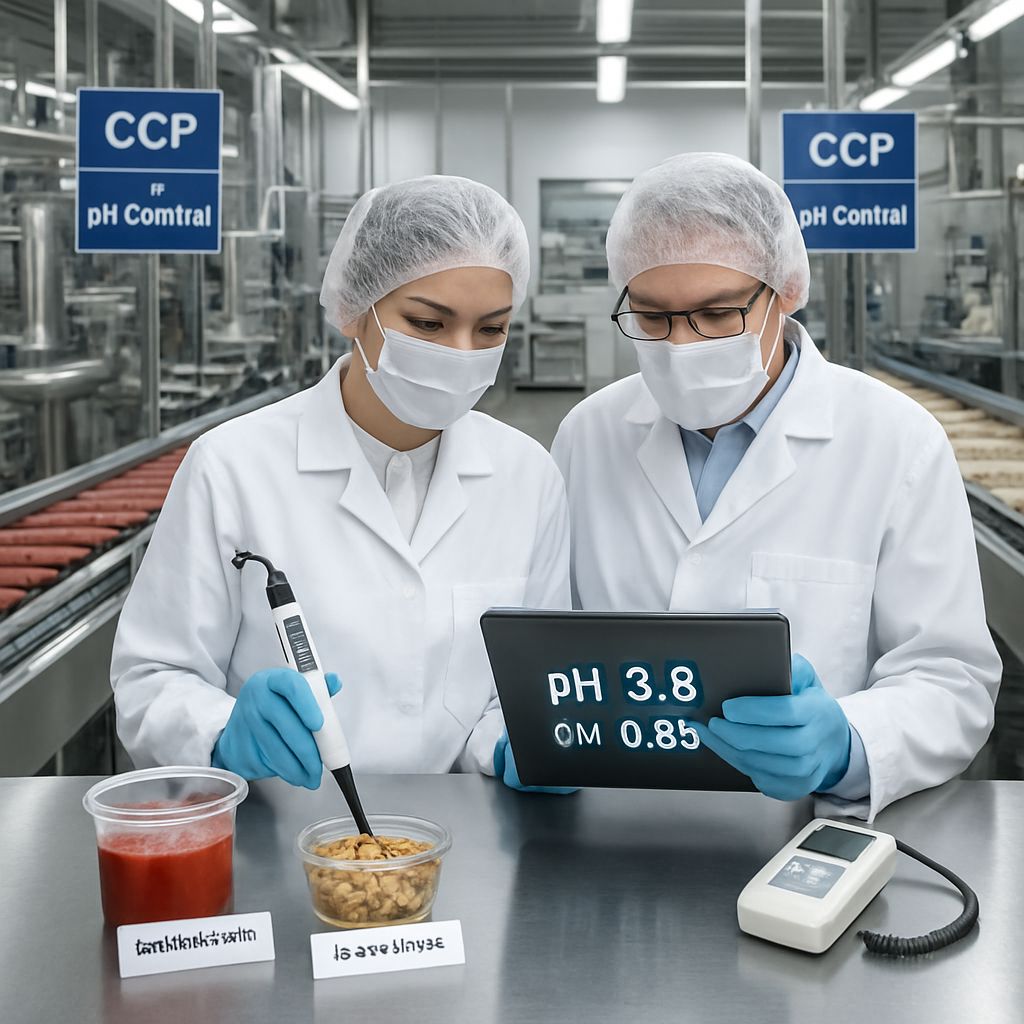
Key Takeaways pH and water activity are primary safety hurdles for many foods and must be validated with standardized methods,...
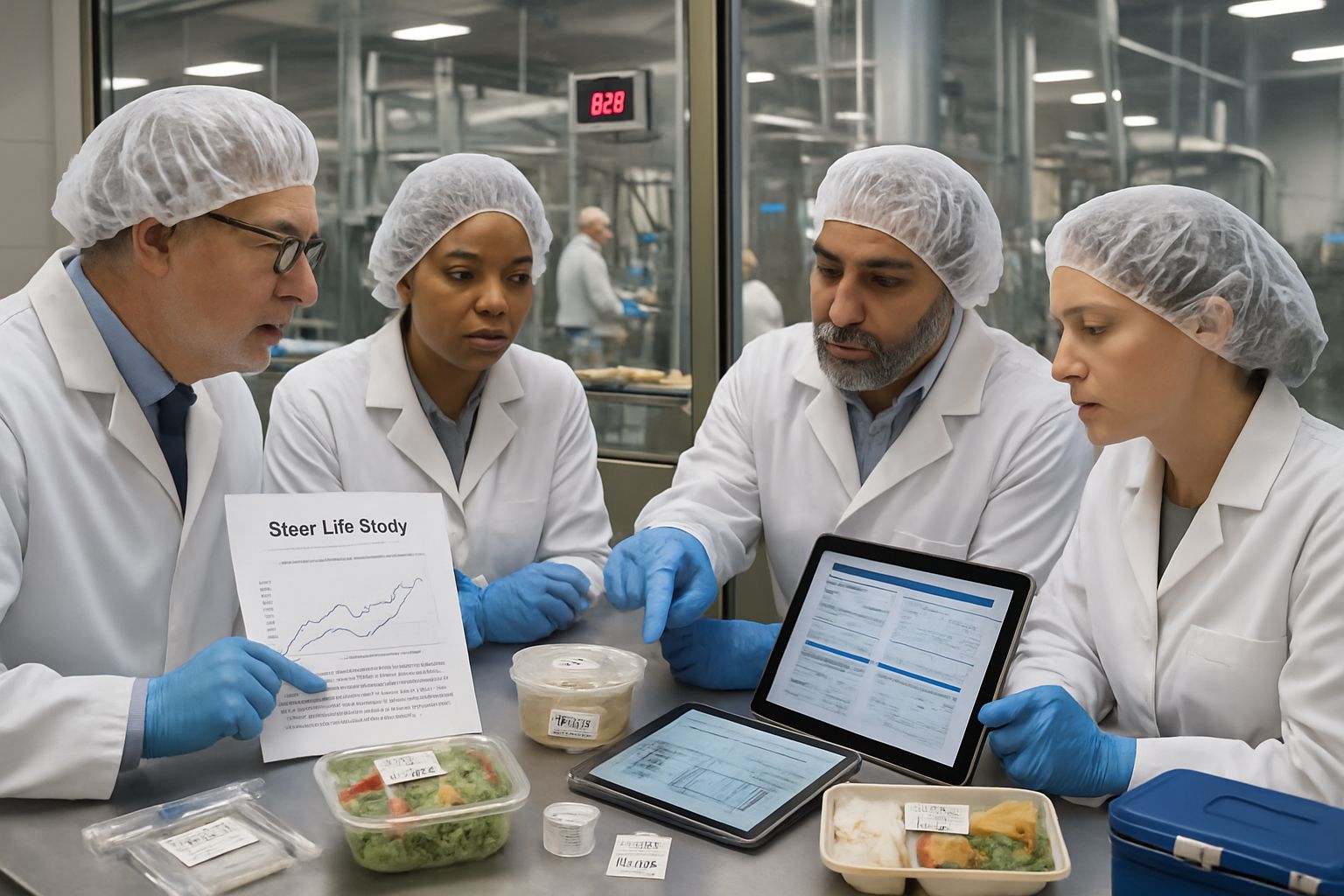
Key Takeaways Microbial challenge studies provide the scientific backbone for shelf life claims on refrigerated foods by measu...
Key Takeaways Post process Listeria sampling frequency should be risk based, with higher risk ready to eat operations sampling...
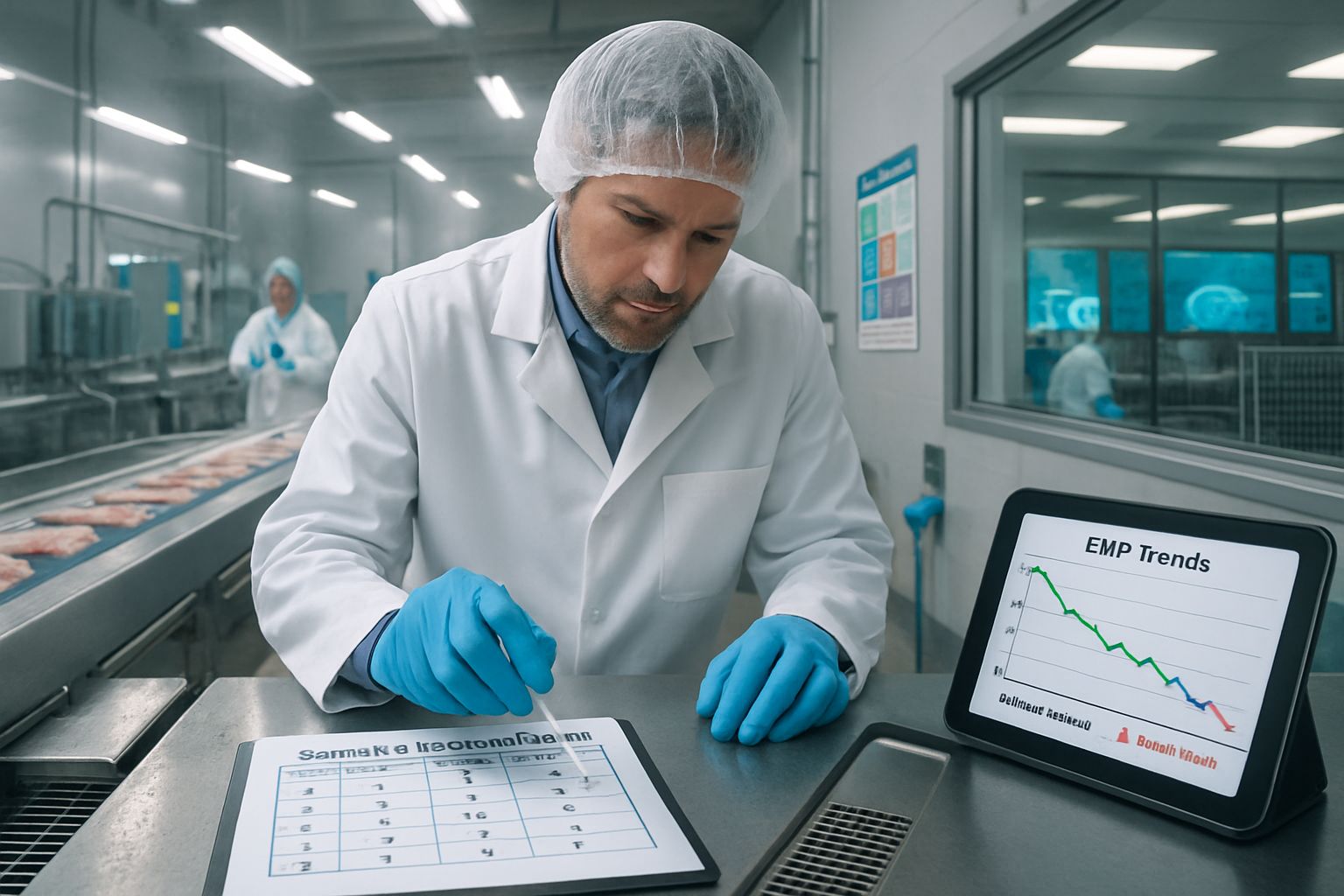
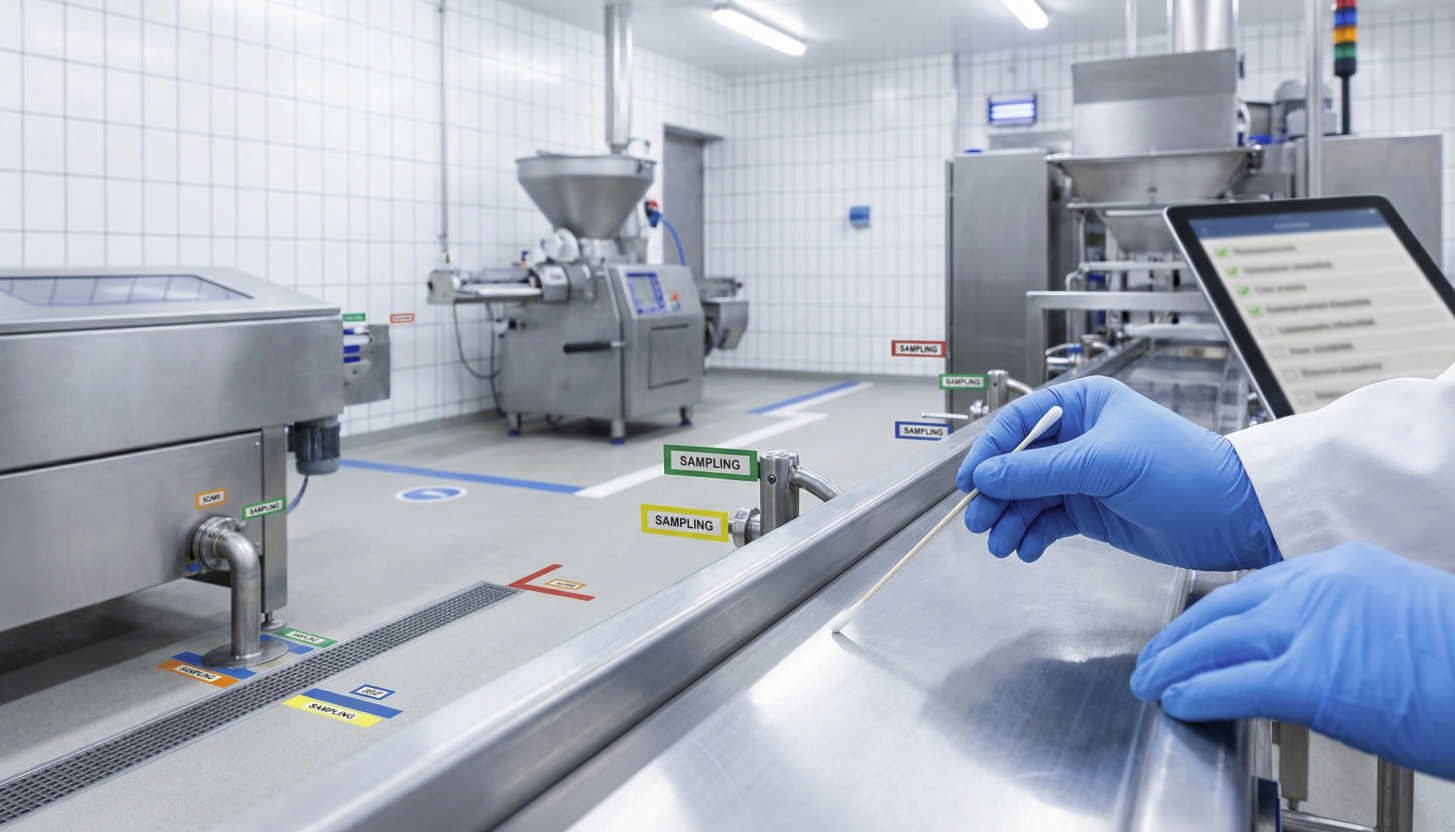
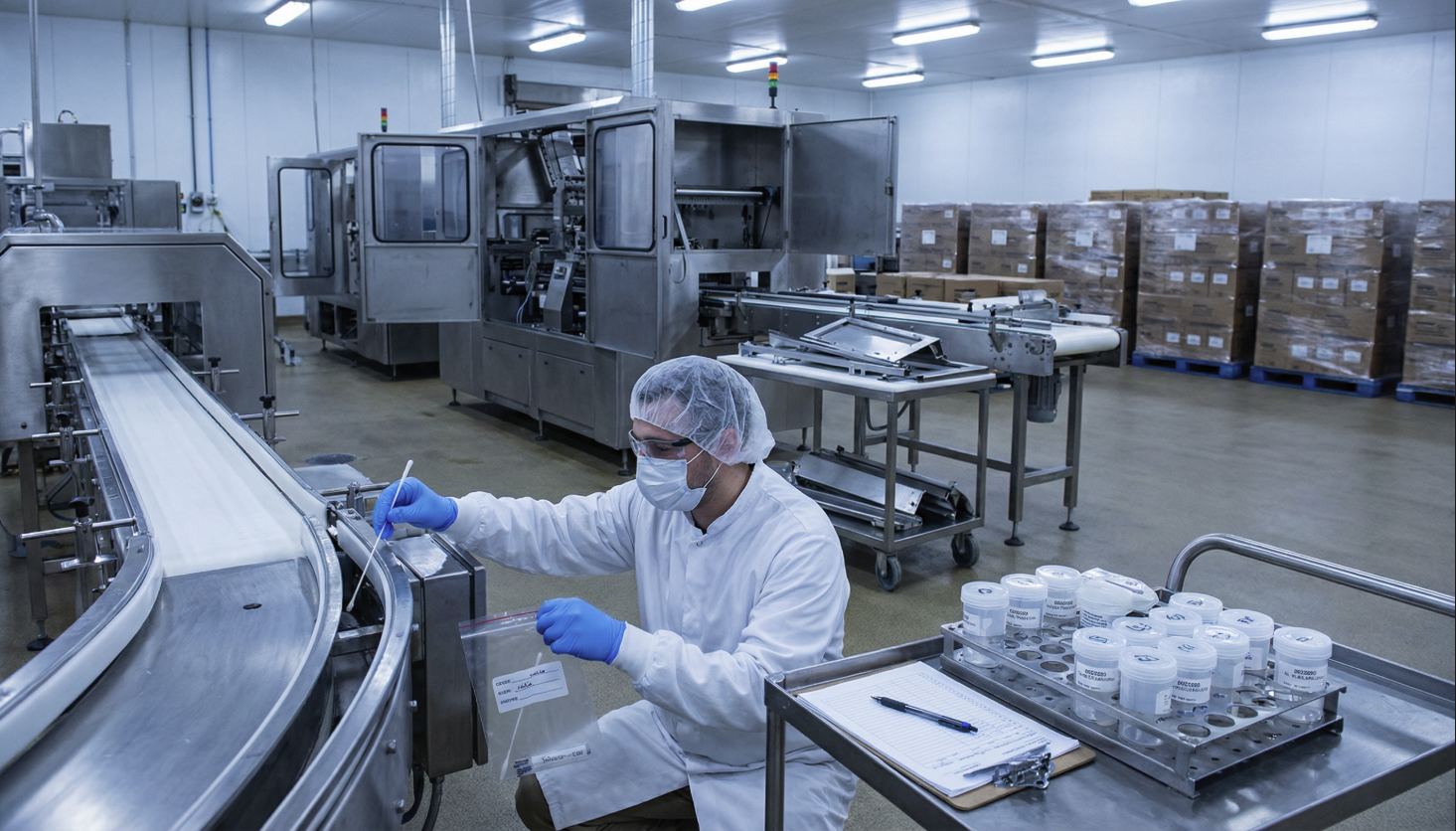
Key Takeaways An effective environmental monitoring program (EMP) for ready‑to‑eat (RTE) foods must combine risk‑based z...
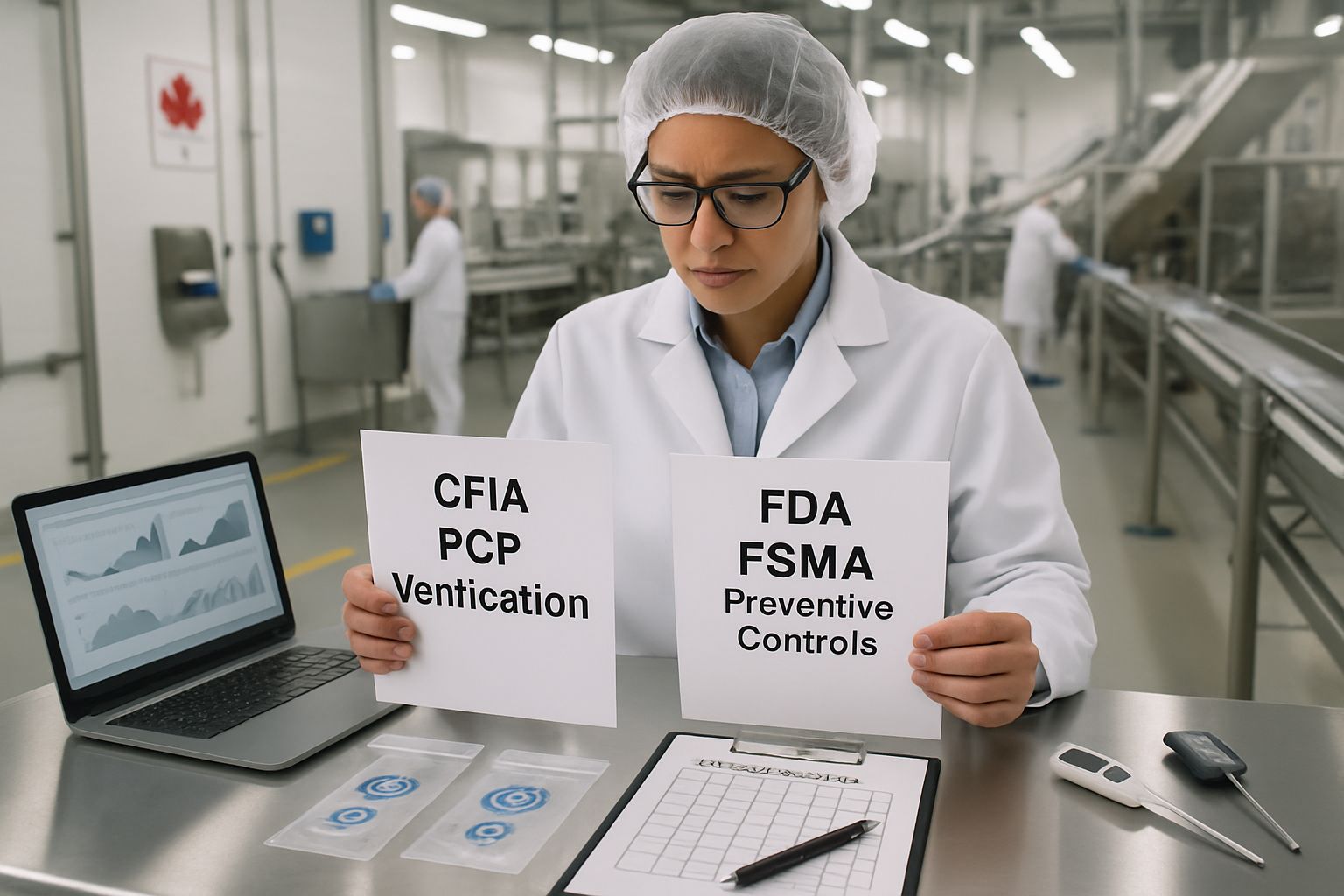
Key Takeaways CFIA’s Preventive Control Plan (PCP) is outcome focused and expects manufacturers to prove control through ong...
A CFIA confirmed pathogen positive is a business continuity event, not a routine lab issue. This guide shows how to manage the first 72 hours, implement defensible product holds, run a structured investigation, and present a coherent evidence package that reduces recall scope and regulatory oversight.
ICMSF sampling plans provide a defensible framework for microbiological lot acceptance, but only when n, c, m, and M are selected and documented based on real product and process risk. This guide explains how to design audit-ready sampling plans that align with hazard analysis, validation data, and regulatory expectations.
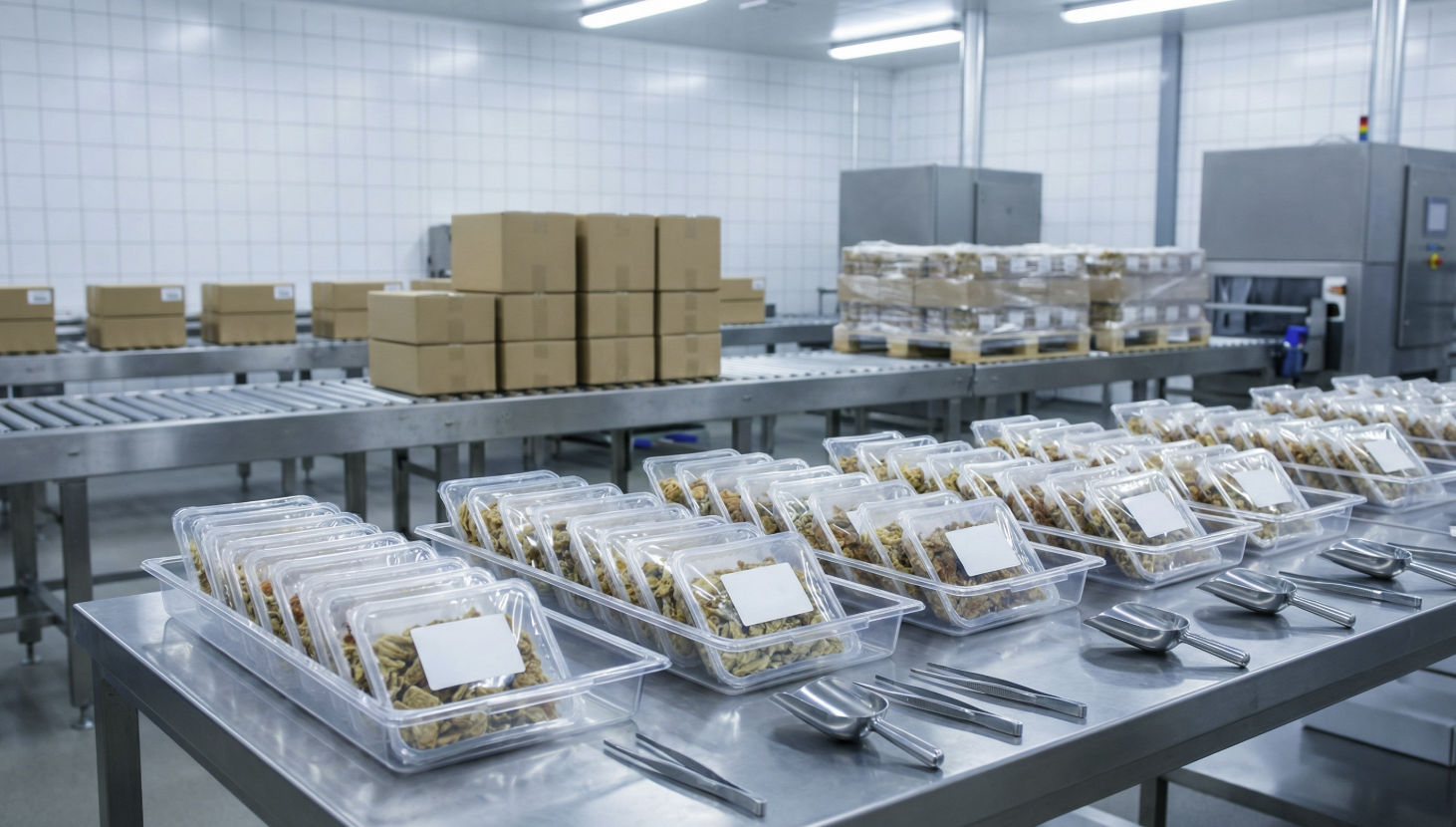
CFIA expects microbiology testing programs to be risk-based, statistically valid, and clearly tied to the hazards identified in your Preventive Control Plan. This article explains how CFIA evaluates environmental monitoring, finished product testing, sampling plans, laboratory accreditation, and documentation when verifying control of microbiological hazards under SFCR.
Controlling Clostridium botulinum in low-acid canned foods is the highest-stakes food safety challenge a processor can face. This guide explains the critical factors regulators expect you to validate, from 12D thermal processes and cold spot identification to container integrity and deviation handling, and how to build a defensible, system-level control program that protects consumers and the business.
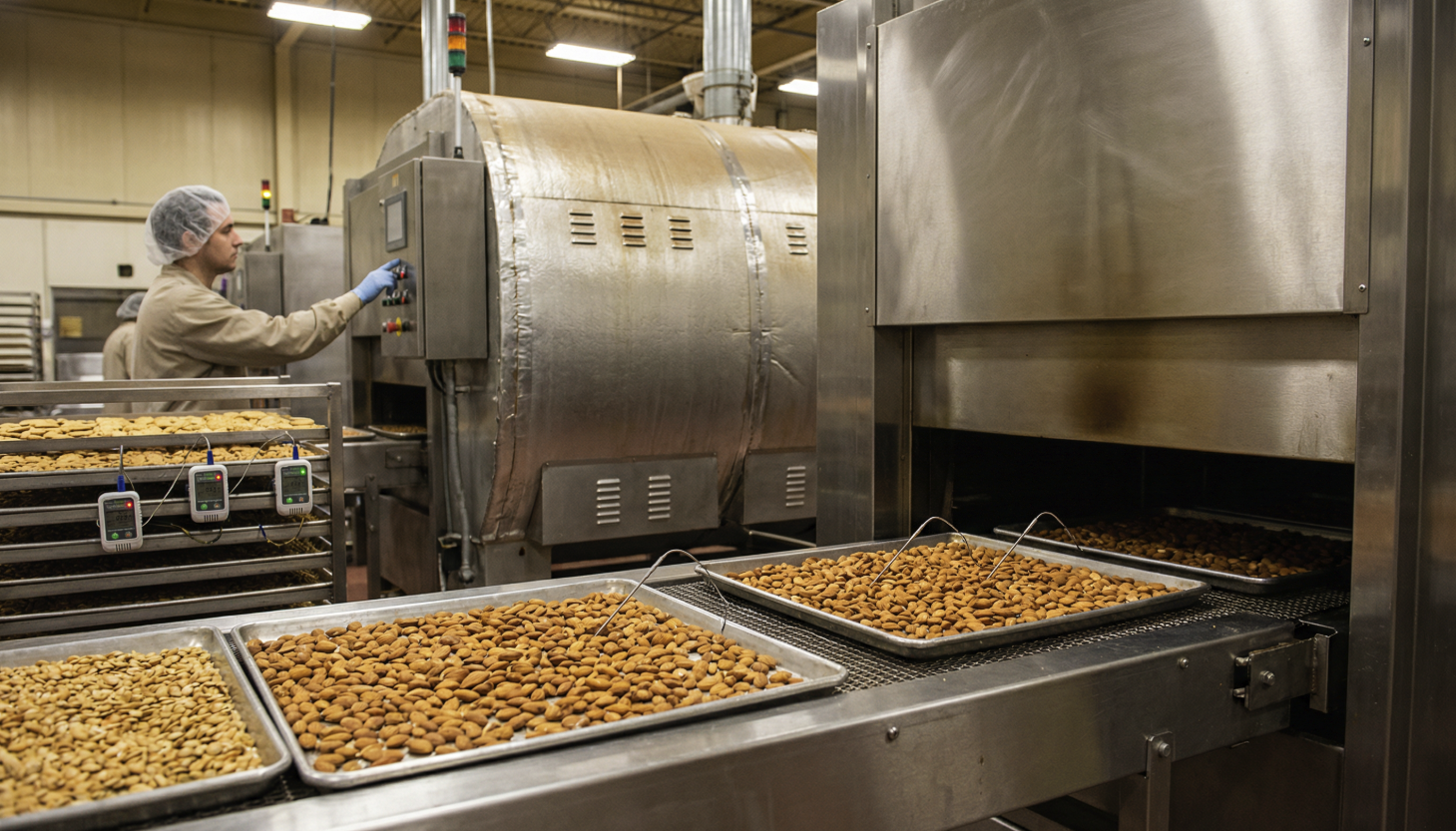
Validating kill steps for low-moisture foods requires more than equipment setpoints or generic studies. This guide explains CFIA expectations for low-moisture validation, why pathogens like Salmonella are harder to control at low water activity, and how to build a product-specific, defensible kill step program that stands up to audits, recalls, and export scrutiny.

MFHPB-30 and rapid Listeria tests serve very different roles when regulators are involved. This article explains why MFHPB-30 carries the most weight for CFIA decisions on plant closures and reopening, where rapid methods add operational value, and how a hybrid testing strategy reduces downtime while protecting regulatory credibility.
Selecting Listeria testing methods in Canada is now a regulatory and business-critical decision. This guide explains which microbiological methods are acceptable to CFIA and Health Canada, how Category 1, 2, and 3 methods differ, and how to build a Compendium-aligned, defensible testing strategy that protects your data, products, and brand.