

Blog

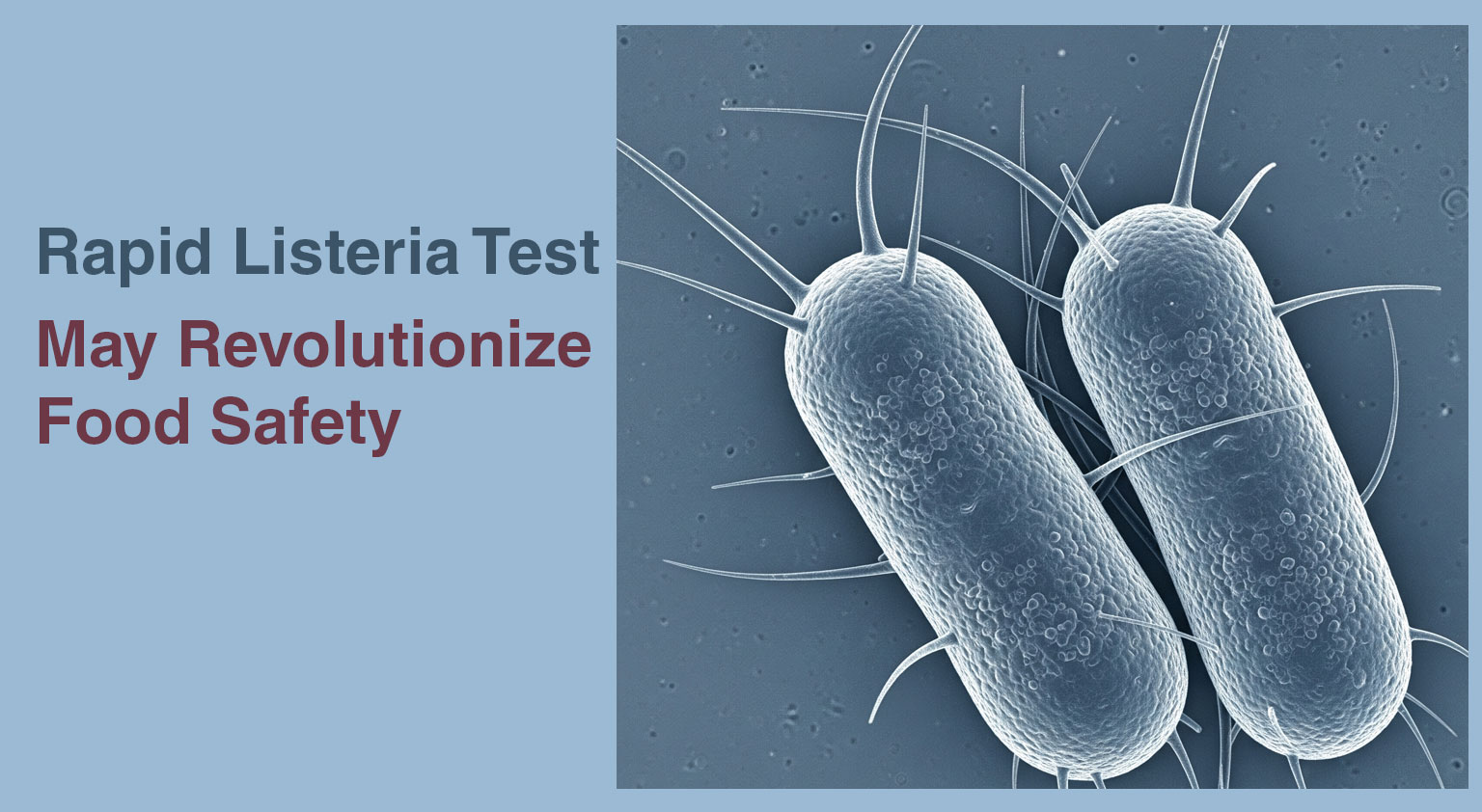
Health Canada’s updated Listeria policy has raised expectations for environmental monitoring in ready-to-eat food plants. This guide explains why legacy EMPs fall short, what regulators now expect, and how to redesign a risk-based, data-driven Listeria program that stands up to CFIA and Health Canada scrutiny while supporting stable operations.
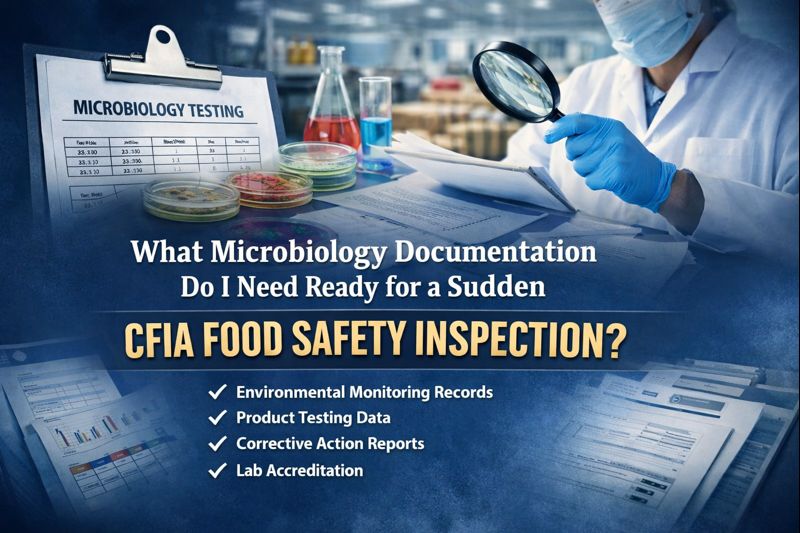
When a CFIA inspector arrives without notice, microbiology documentation determines whether the visit stays routine or escalates. This guide explains the microbiology records CFIA expects, common documentation gaps that trigger enforcement, and how to build an audit-ready system that protects your operation, products, and reputation.
Validating Dry Food Safety: Challenges and How CREM Co Labs Helps Processors Meet Them
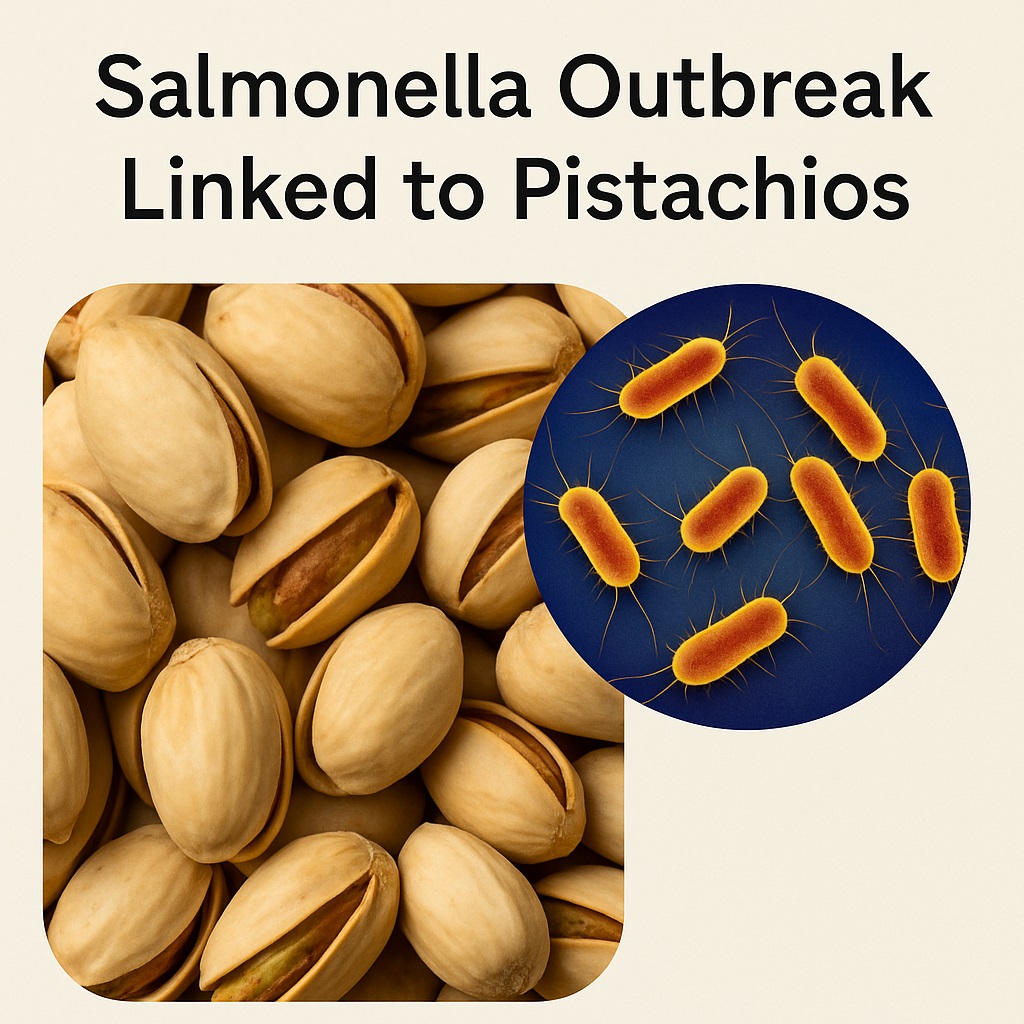
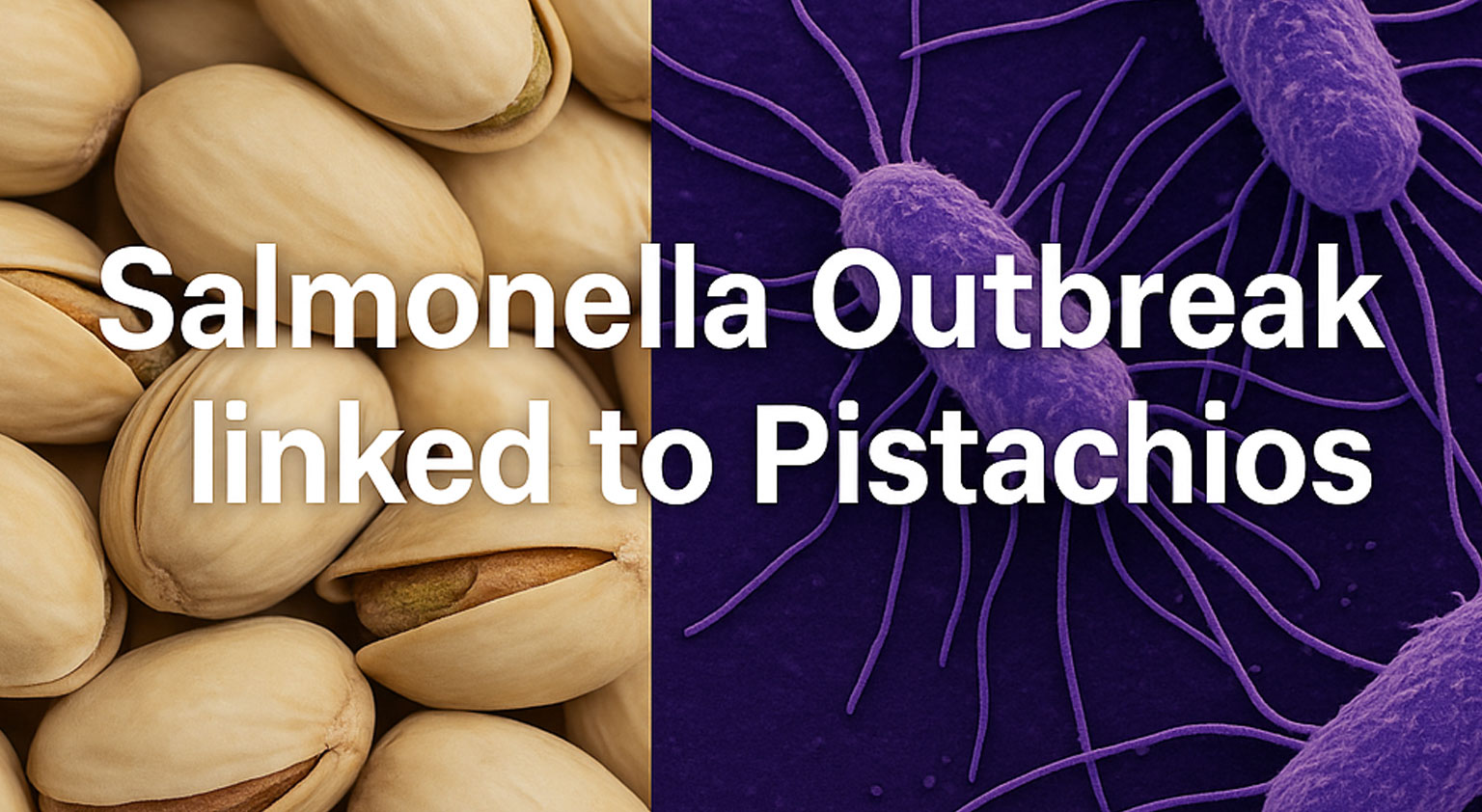
Dry foods, such as pistachios, spices, cereals, and milk powders, may appear low risk due to their lack of moisture. But in reality, they can harbor dangerous pathogens like Salmonella, Listeria monocytogenes, and E. coli O157:H7 that can survive for long periods in dry environments (1,2). These organisms don’t need water to persist, and some, like Salmonella, can become more heat-resistant when suspended in low-moisture, high-fat food matrices (3)......